Rotational Grazing
Moving livestock through a series of paddocks, so grazed pasture gets time to rest and regrow.
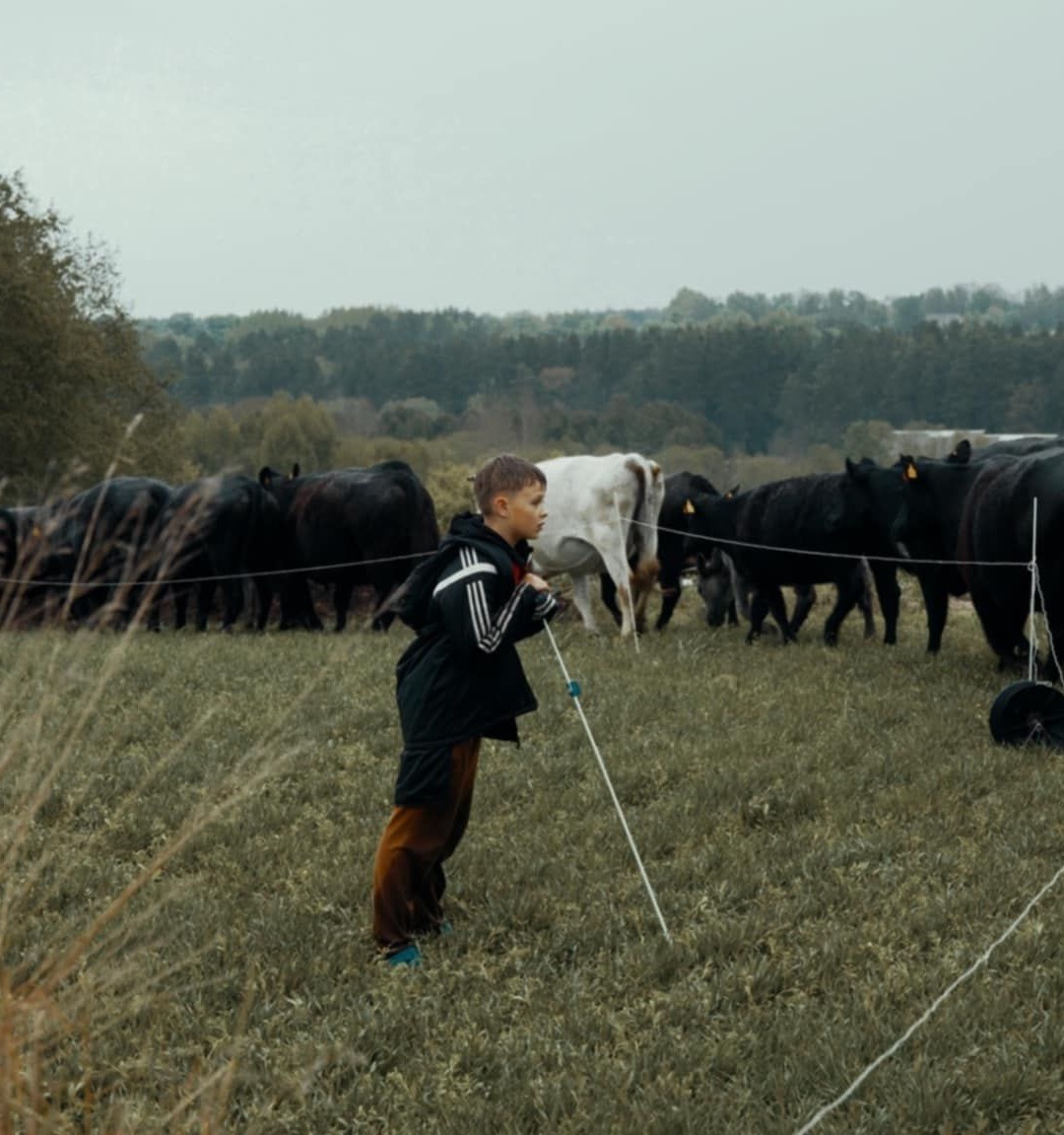
Rotational grazing means moving livestock through a series of paddocks, so each one is grazed briefly and then rested.
The plants get time to recover, and the grass has grown back before the animals return.
The practice varies with the farm: some farmers move a dense herd to a fresh strip daily, others shift animals weekly between a few paddocks.
What they share is planned rest, which keeps plant cover, litter, and roots in place. That shows up in the soil, as rotational grazing reduces compaction and increases soil carbon relative to continuous grazing.
Results depend on rest length, stocking rate, and climate, and reviews often find similar forage and livestock output under both systems.
Farmers View All Farmers