EARA Solutions
stomachs all over Europe.
EARA Solutions is hosting a collaborative network – a “mycelium” – of market, finance, and agronomic solutions to empower farmers and communities in growing a regenerating future.
We work to make it easier for you to find the regenerating solutions already existing, develop innovative new solutions, and collaborate with you for your specific needs.
For generations, farmers have been told what their land needs by banks, governments, and agri-industry companies with financial models that rely on continued dependency. Buy this input, take this loan, meet this standard. The system was not built for farmers, but built around them.
Insurance premiums are rising. Credit is structured around debt cycles rather than genuine farm viability. Land assets are heavily exposed to climate change, and property values in degraded agricultural landscapes are eroding, all while supply chains funnel value away from the field and into the pockets of the traders and retailers. Despite lifetimes devoted to cultivating the land, many farming families face a steadily narrowing income, economic security and freedom.
This system is cracking, EARA’s network of pioneering farmers know this from experience. They have tested, adapted, and rebuilt from the ground up, with measurably improved productivity, resilience, and profitability as a result. As farmers, they know what is needed for farmers.
In theory, there is no difference between theory and practice. In practice, there is.
Health and pensions insurances were once the expression of the European society leveraging their shared risks. Today, modern society faces a much greater systemic risk of extinction.
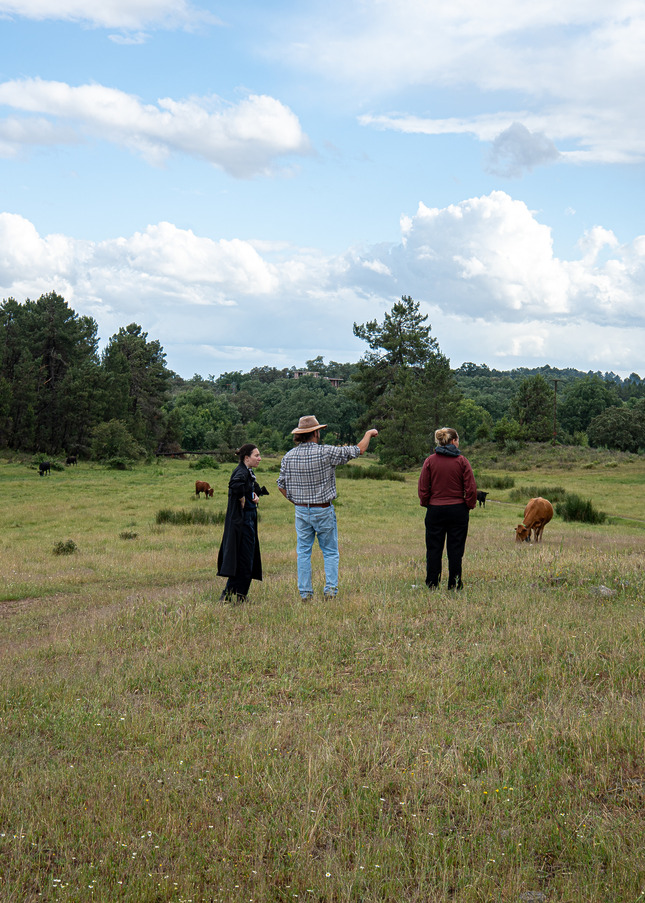
EARA Solutions is translating this experience into systemic change, providing targeted advisory to bridge farm-level knowledge with the economic levers that can help change agriculture at all scales.
The farmers already know how. The question is whether the institutions around them are ready to act on it.
Minimal financing against structural risk
Leading agrifood players show average commitments of less than 0.05% of their annual revenue to regenerative agriculture investments. What is stopping them and us?
→ The barriers of agronomic knowledge, lack of targeted financial support and the burden of restrictive regulations.
→ Farmers are perceiving and facing operational risks which is the greatest barrier to adopting regenerating forms of agriculture.
→ Single actor problems: We are lacking economies of scale of the isolated pilots currently underway. This is compounded by a broader absence of cross-sectoral data harmonisation and coordination around farmers and their specific contexts.
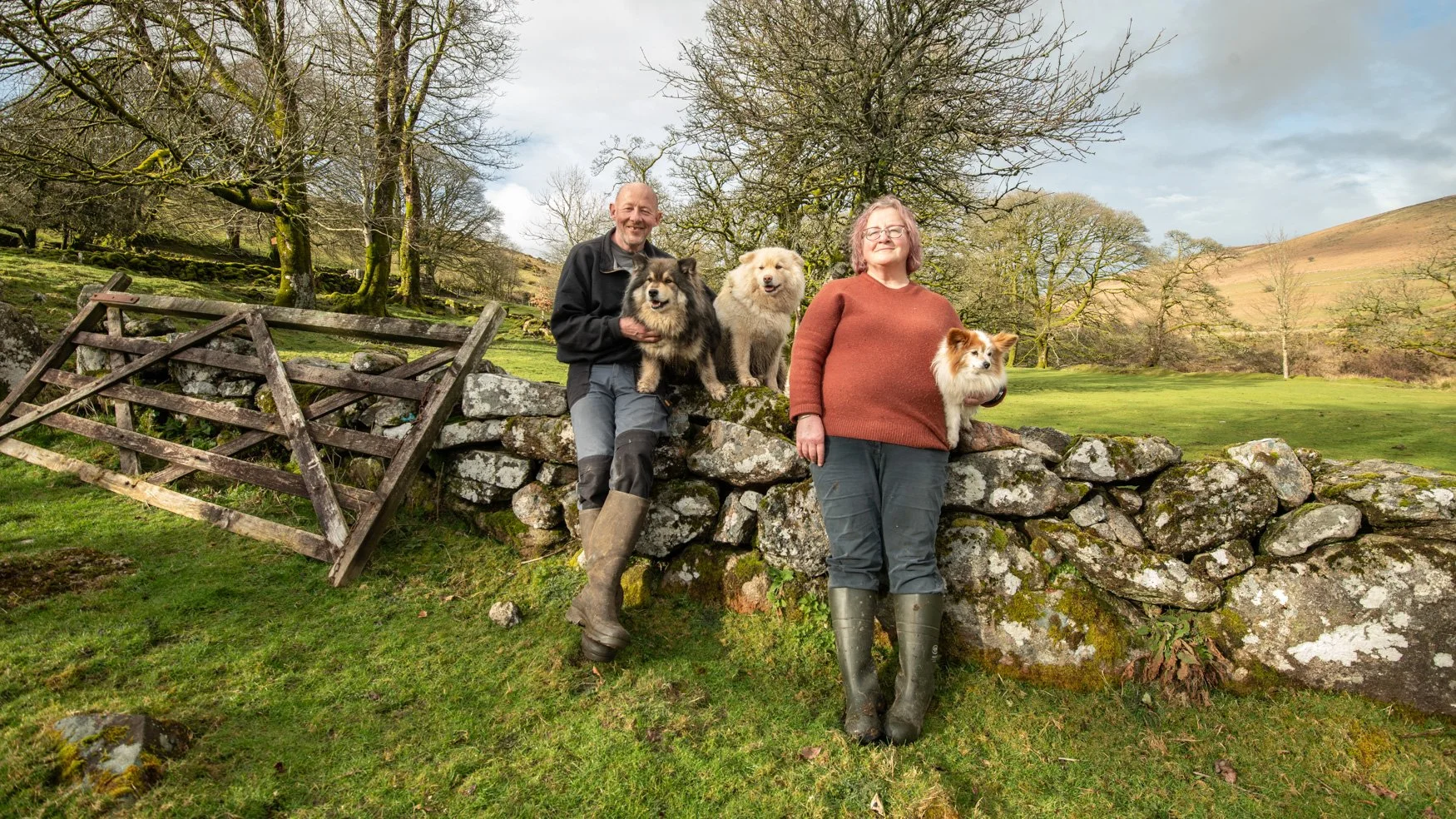
The Solution: Place-Based, Farmer-Led, Collectively Financed Transition Consortia
Solves the Problem
Transition Consortia directly address farmer operational and perceived risk during the 5-8 year transition period—the biggest barrier to adoption
Full Transition Cost Coverage
Comprehensive financing from multiple sources ensures farmers can afford the transition without jeopardizing their operations
Progressive Farmer Contribution
Farmers transition from full risk to performance-based remuneration as new management systems stabilize and margins improve
Mycelia Model
Harmonised, non-proprietary, farmer-led digital ecosystem empowering Transition Consortia and MRV benchmarking
EARA Intelligence for your Project
EARA and its partners support with the project co-creation, data intelligence, and productisation of agricultural solutions for:
Insurers, back-insurers
Farmer cooperatives, nature associations
Landscape, biodistrict developers
Municipality, regional, national goverment
Events
Unlocking Finance for Regeneration
Every six months, EARA convenes a high-level gathering at the European Economic and Social Committee in Brussels, bringing together farmers, financial institutions, policymakers, insurers and investors around the question: how do we rebuild the financial infrastructure that Europe’s land transition actually needs?
Unlocking Finance For Regeneration | Edition 3
- Brussels, BelgiumThe third edition of Unlocking Finance for Regeneration returns to Brussels in September 2026. Building on two years of cross-sector dialogue at the EESC, we will go deeper into the mechanisms, partnerships, and policy conditions needed to make regenerative finance the norm across Europe. Farmers, financial institutions, policymakers, and investors are all welcome.

Publication List
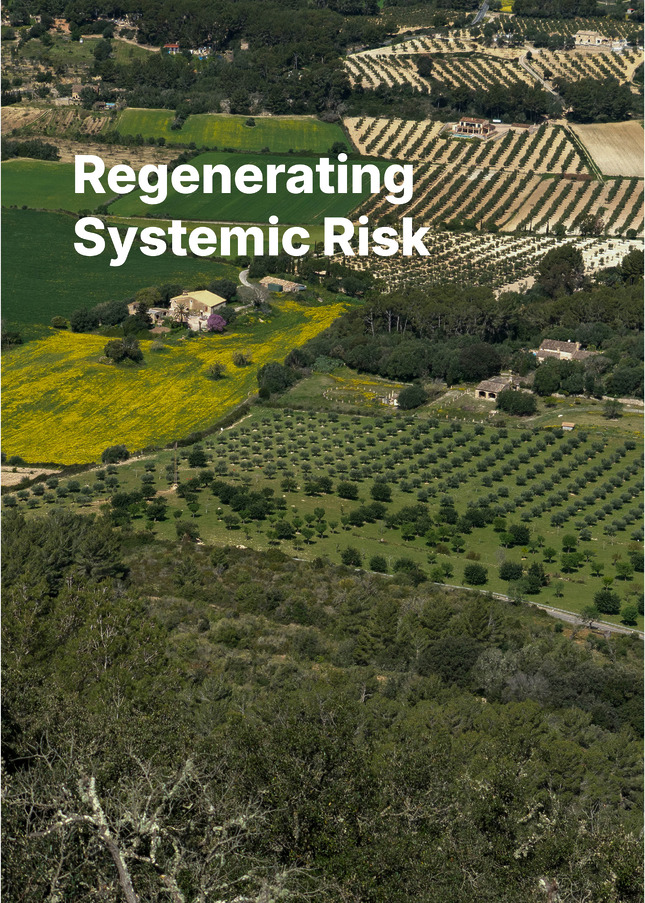
Regenerating Systemic Risk: Valencia Case Study
Published 8th May 2026This case study examines how systemic risk arises from degraded landscapes with reduced hydrological functions, manifesting as amplified droughts, desertification, and floods. Using the October 2024 Valencia flood catastrophe as its context, the report analyses the potential contribution of regenerating forms of agriculture to flood mitigation across 316,000 hectares of agricultural land, an exercise rarely undertaken at this scale.
Together for Regenerative Agrifood Ecosystems
Published 15th September 2024In response to escalating and converging crises, with this White Paper the farmer-led European Alliance for Regenerative Agriculture (EARA) presents a visionary perspective to guide the regeneration of agrifood ecosystems.

Principles for Commercial Engagement
EARA works in the interest of the global farming community. Any partnerships, projects, or collaborations are similarly done to support transitioning or established regenerating farmers. In-line with the transparency of our collaborations, EARA’s farmer members have established three principles for commercial engagement to ensure this objective is maintained.
Visit EARA’s Funding Principles for more information
Principle 1
EARA is forward trusting, project participants are asked to sign up to EARA’s 4 principles in a MoU.
Principle 2
EARA reserves the right to exit the project if there is no tangible commitment to the 4 principles in the project.
Principle 3
No publication or external communication about the engagement without EARA approval.
Red Line
We do not engage with businesses whose business case we judge as inherently degenerative or who are known to be continuously complicit in war and genocide.
Reach out to the team