Crop Rotation and Diversification
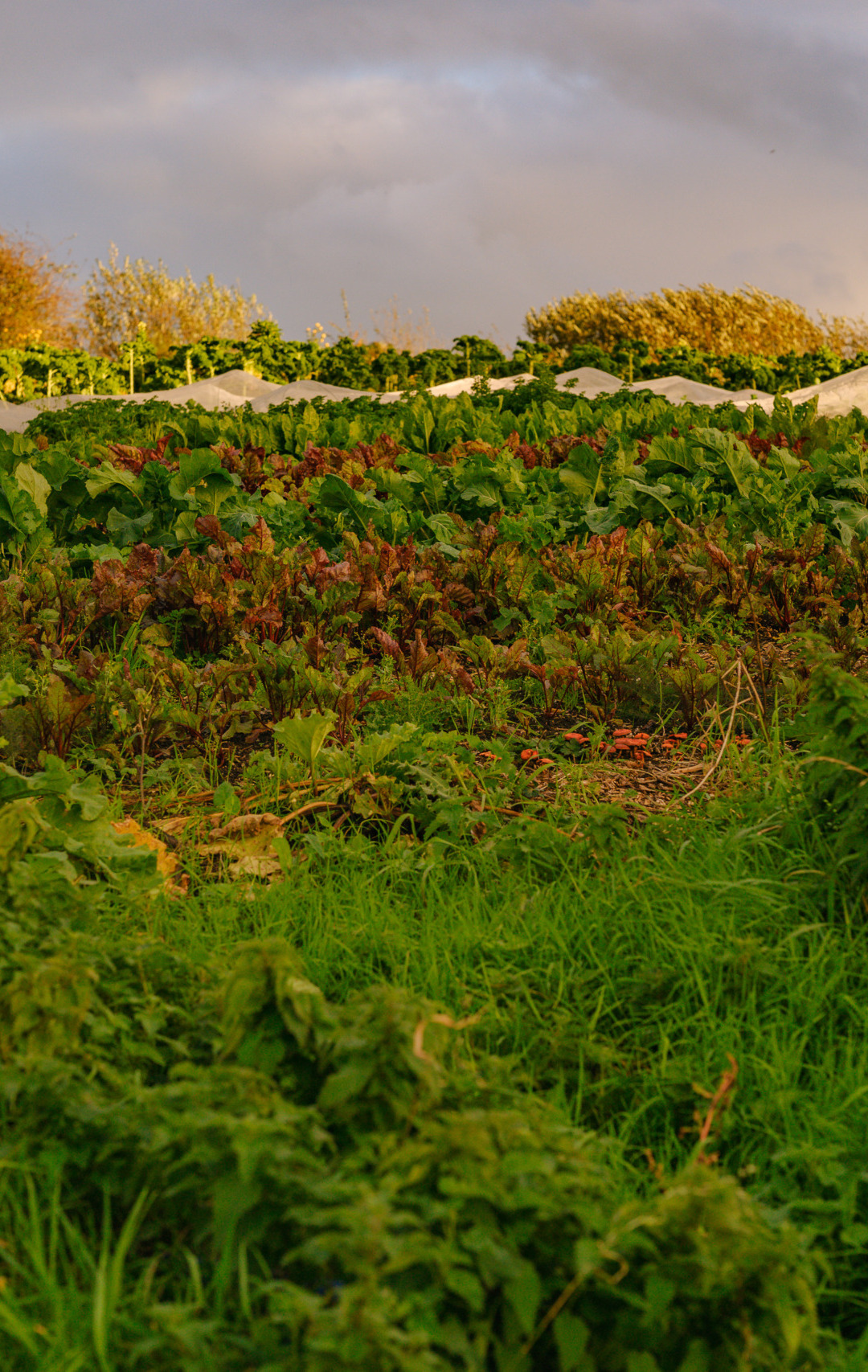
A field that grows the same crop year after year builds up the pests, diseases, and weeds that thrive on it, and it draws on the same nutrients from the same layer of soil.
Rotation breaks that cycle by changing the crop each season. Diversification adds more species and more kinds of crops, so roots of different depths and shapes work the soil and each crop leaves something useful for the next.
A good rotation mixes crops that do different jobs.
Legumes like clover, peas, and beans capture nitrogen from the air and leave it for the next crop.
Deep-rooted crops open up compacted layers and bring up nutrients from below.
Cereals, brassicas, and root crops have different pests, so a disease that thrives on one finds no host in the next.
Grass-clover leys, often grazed, rebuild organic matter between arable crops.
Farmers View All Farmers