Permanent Soil Cover
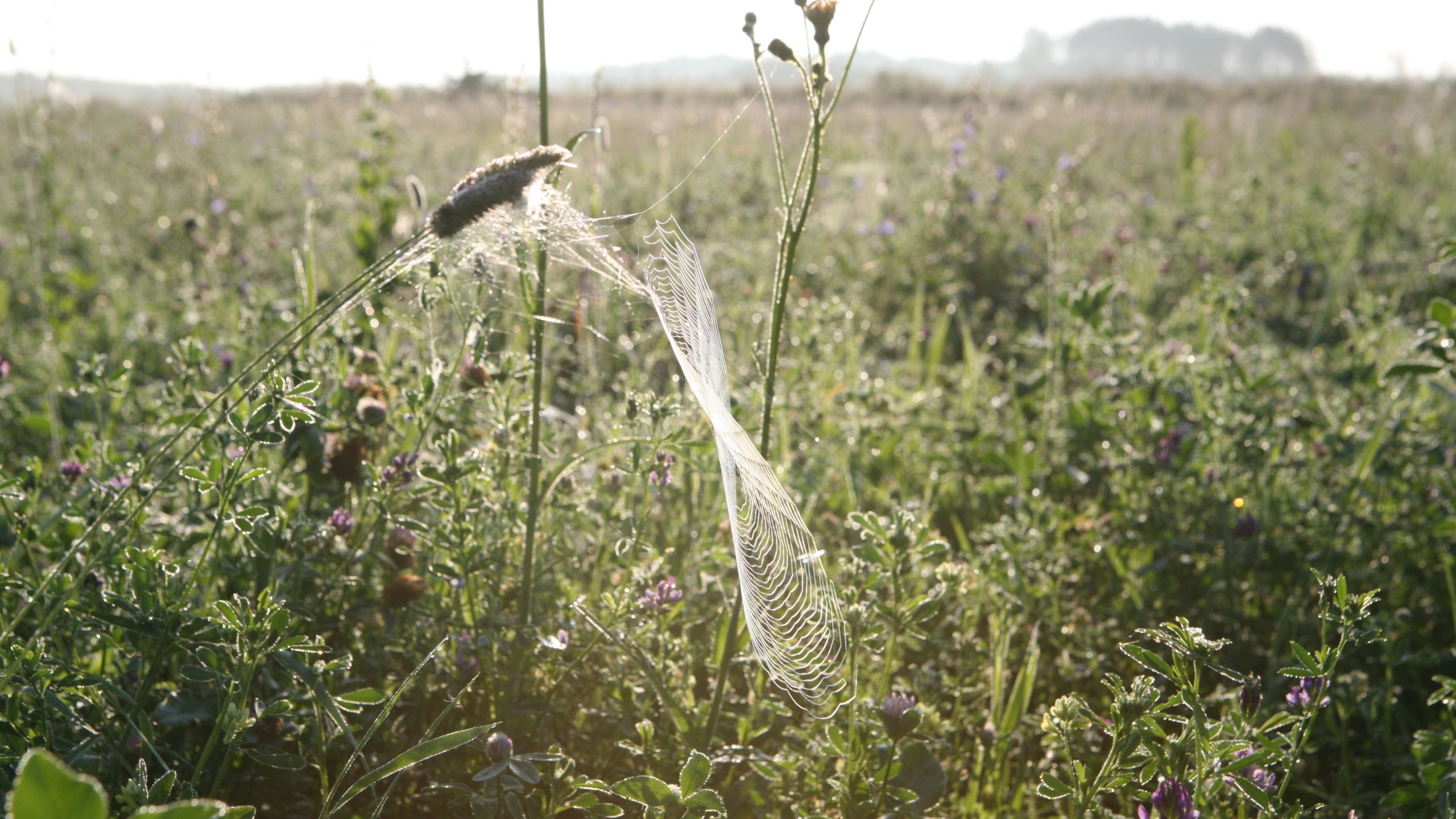
Soil is a living system, bacteria, fungi, protozoa, nematodes, beetles, worms, all working in relationship with one another and with plant roots to cycle nutrients, move water, and build the organic matter that makes land productive over time. Leave it exposed and rain compacts the surface into a crust, UV breaks down organic matter, wind carries away the lightest and most fertile particles, and the biological activity underneath begins to shut down.
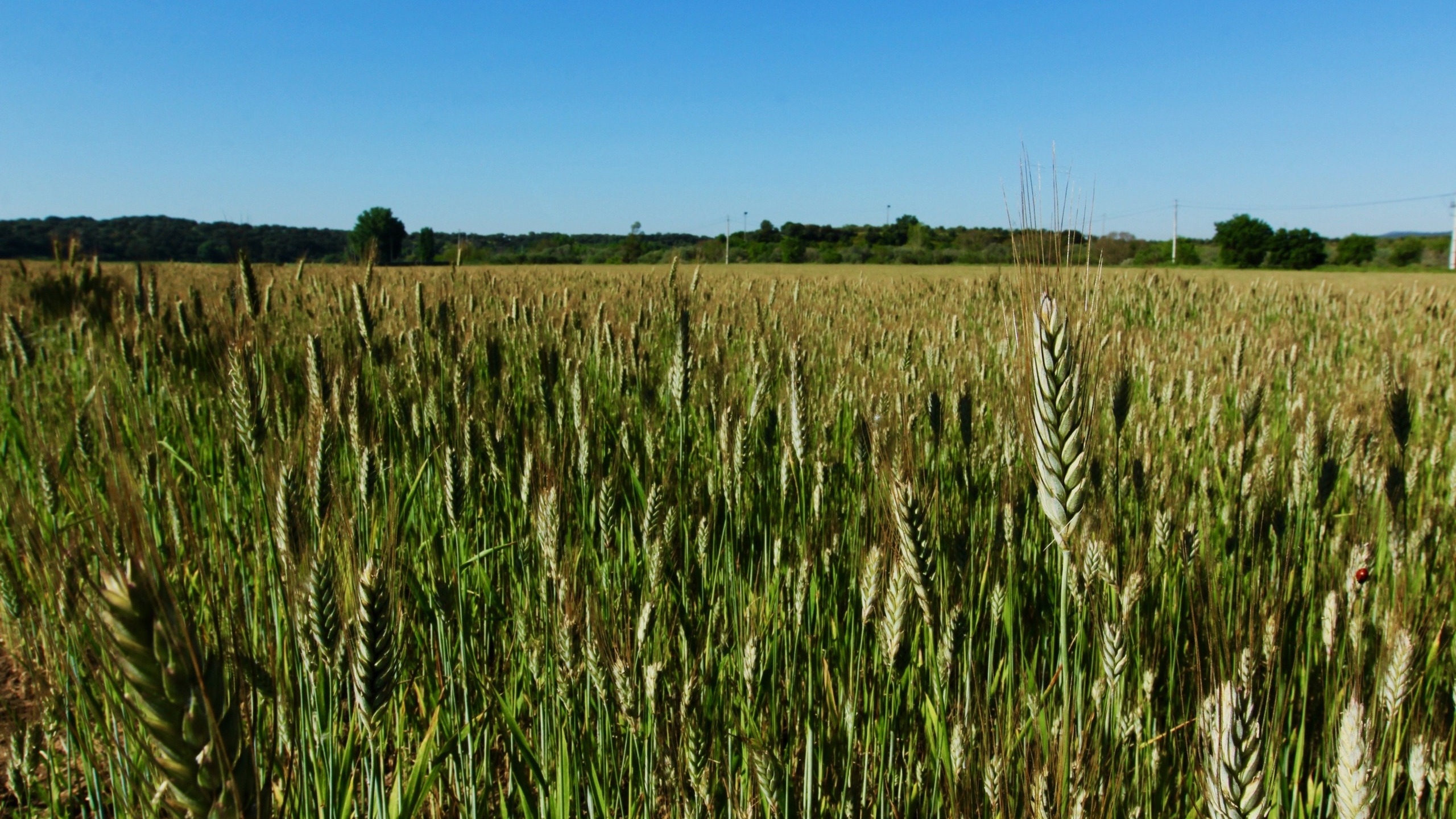
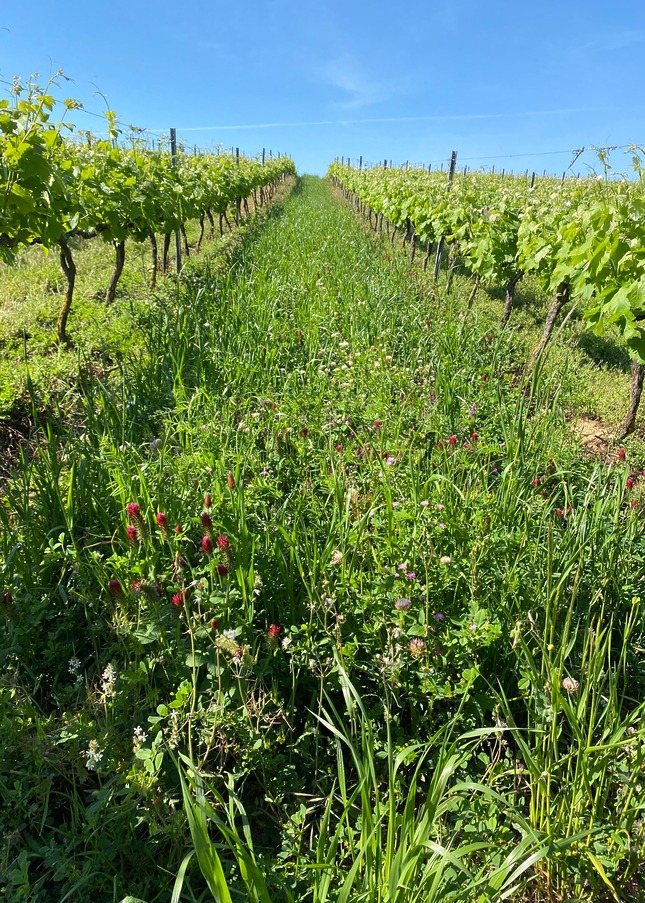
Permanent soil cover means the ground is always clothed in something, a living cover crop growing between cash crops, a mulch of straw or woodchip laid down after harvest, the intentional preservation of crop residues rather than their removal or burning. The practice varies enormously by farm type, climate, and context. A market gardener in northern Europe might use a thick layer of woodchip between permanent beds. A grain farmer in the Mediterranean might oversow a legume mix into standing wheat before harvest. A grazier might never till at all, letting the diversity of a permanent pasture do the work year-round. The principle holds across all of them: keep something living or decomposing on the surface.
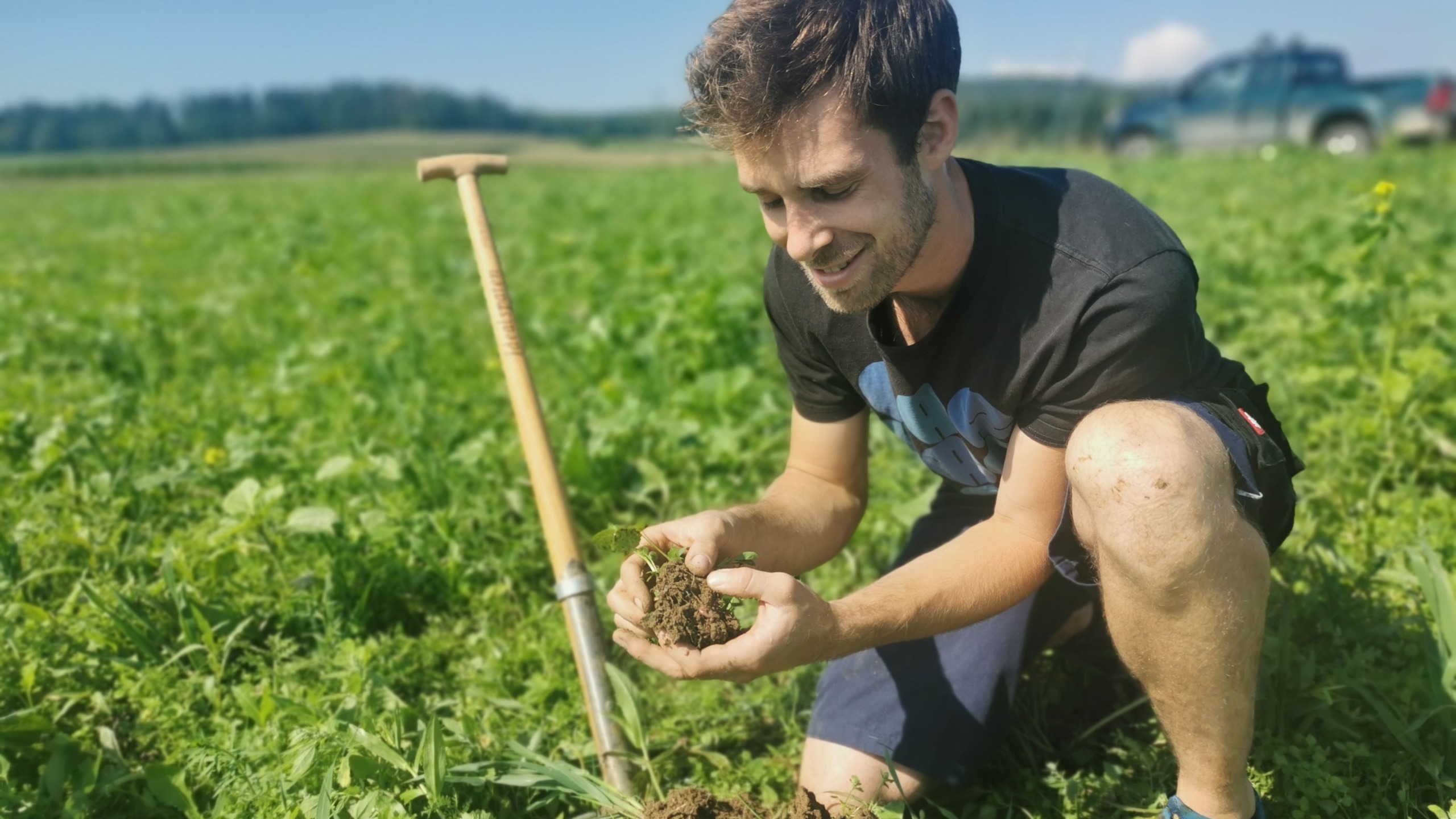
I stopped seeing my cover crops as a cost and started seeing them as my most important crop. They are feeding everything that feeds my cash crops.Gabe Brown, regenerative rancher and author of Dirt to Soil, North Dakota
The effects compound over time. Covered soils lose less water to evaporation, making crops more resilient through dry spells. They absorb rainfall more slowly and more deeply, reducing the runoff and erosion that come with heavy rain. They support the fungal networks, mycorrhizae, that extend plant root systems and move phosphorus and water across distances no root alone could reach, and they feed the worm populations whose casting and burrowing aerate the soil and concentrate nutrients exactly where roots need them. None of this happens fast, but once it starts, the momentum builds.
Farmers View All Farmers