About us
The European Alliance for Regenerative Agriculture is the independent, farmer-led coordination, advocacy and collective action organisation of the movement of regenerative agriculture at the European level. EARA is striving to enable the transformation of our agrifood ecosystems through accountable ecologic, economic and social regeneration.

For a truly better world we need a radically new-old way of growing it.
Agriculture has always co-evolved with society around it. From the rise of civilisations to feudalism, revolutions, mechanisation, and industrial monoculture, how we farm has co-evolved with how we live.
Farmers, peasants, and indigenous peoples across the world are farming in symbiosis with nature and their communities. In doing so, they are healing the divisions between nature and culture, between human and human.
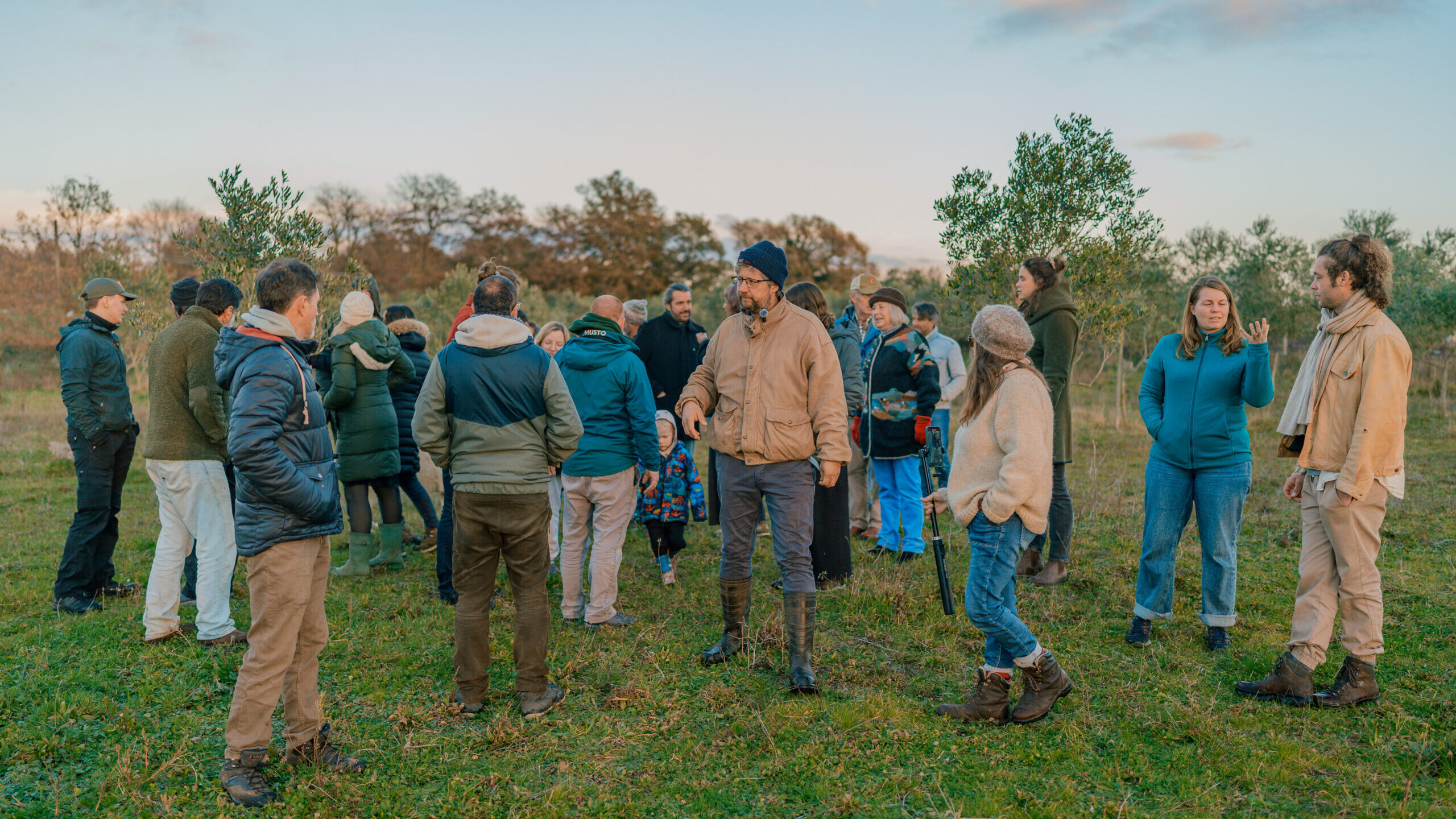
It was farmers like these committed to regenerating their land and communities, who came together to form the European Alliance for Regenerative Agriculture. Built by farmers, for farmers, the Alliance offers a space to walk the paths together: sharing learnings and knowledge, exchanging experiences, failures, and successes, while supporting fellow farmers across Europe and beyond.
Today EARA is working across a mycelium of initiatives: EARA Research generates the evidence. EARA Solutions delivers the tools. EARA Knowledge & Education spreads what works. EARA Policy & Advocacy carries the farmer voice to where decisions are made. And the Regenerating Europe Tour connects the people making it happen, because no one transitions alone.
History shows us that when those working from the ground up are divided, there is no progress in policy, no leverage in markets, and no cutting through the Greenwashing, Greenhushing, and co-option. It holds us all back from true regeneration.
Join us in growing a regenerating future,
not divided by but united in diversity.
Farmer-led. Bold. Independent. Grounded.
Unity in Diversity
Founded in 2023, EARA is made up of farmers from diverse geographies, farming systems, ages, and genders. Our Unity in Diversity is governed by a Farmer Board and our Steering Committee, made up of our farmer members. All major decision-making regarding EARA is made by farmer consensus. Pragmatic, democratic, regenerating.
Our Principles for Stewarding Regenerating Forms of Agriculture Systemic regeneration unfolds as synergies/symbioses in which more soil biodiversity leads to better ecological functions, more healthy plants, more productivity and other benefits because regeneration addresses living systems as wholes.
Regeneration is a life-enhancing process, rather than a permanent state
‘Regenerative’ or ‘regenerating’ farm system refers to a farm in the ‘process of regeneration’, not a farm in an assumed final state. Regeneration builds on the fundamental principle of evolution: life compounds into more symbiotic complexity when the conditions are conducive to life.
Regeneration is outcome-oriented regarding social, ecological and economic health
Regenerative agriculture is non-dogmatic. Each farmer chooses, based on a deep analysis of their context, the practices appropriate to that context. Outcomes need to be contextualized regarding climatic, environmental, economic and other related conditions. The development towards symbiotic interdependence on a bioregional scale is essential. Regenerative agriculture distinguishes itself through its bridging of holistic ecological improvements with highly productive agriculture. Any legitimate verification process of outcomes must demonstrate significant and continuous improvement regarding social, ecological and economic health.
Regeneration is context-specific
Initiating the regeneration process begins with a thorough recognition and understanding of a farm system’s unique context, within and beyond the farm. It involves developing a comprehensive (social, ecological and economic) starting point and an evolving vision for the system’s health and functional properties, progressing towards key outcomes that guide decision-making. There are no universally applicable or single regenerative practices; instead, there are practices that can guide regeneration within a specific context. Effective farm-level practices must align with and contribute to larger social, ecologic and economic health. Flexibility and adaptability are key in tailoring approaches to unique environmental and socio-economic circumstances.
Regeneration is systemic
Systemic regeneration unfolds as synergies/symbioses in which more soil biodiversity leads to better ecological functions, to more healthy plants, to more productivity and to other benefits, because regeneration is addressing living systems as wholes. Regeneration is not a zero-sum bargain in which agricultural productivity is traded off for better socio-ecological impact of land use. Regeneration is fostered through the whole system in question, not just on the farm.
The Regenerating Essence
We acknowledge that every farmer has their own approach to farming and aim for unity in all regenerating approaches to farming because we know that united diversity produces better outcomes. In cover crops and farmer movements.
Regeneration is a journey, not a state, which is why EARA supports no dogmas. We acknowledge context-specific paths of continuous improvement. We consider farming approaches regenerative only if they include the (1) context-specific and (2) continuous (3) reduction of chemical and physical disturbance as well as the (4) increase of social, economic and ecosystemic resilience, productivity and health.
EARA is open to all kinds of farmers as long as there are regenerating outcomes according to 1,2,3 and 4.
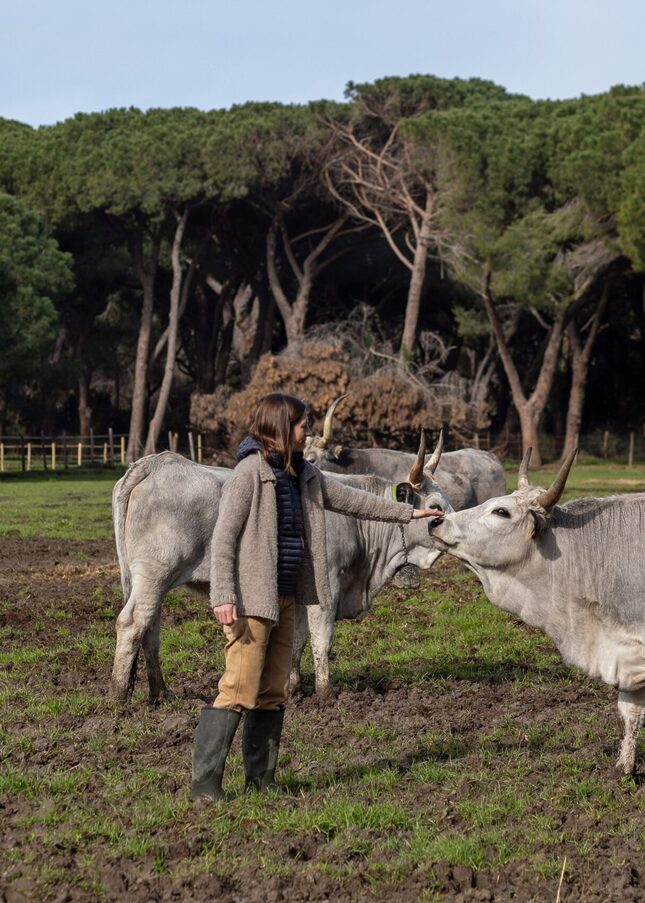
We are growing and growing.
Our Governance
The autonomy of us farmers is the foundation of how we govern ourselves.
Our governance is rooted in trust and friendship, which strengthen our community. Our farmer-led decision-making always aims for consensus, requiring a 90%+1 majority vote.
Farmers meet monthly in the Farmer Steering Committee, our central decision-making body. The Steering Committee creates Working Groups and other organs, delegating diverse decision-making powers across EARA.
Every farmer member can participate in all major decisions. Each agreement between farmers adds to the collective intelligence that shapes EARA and it is this farmer direct democracy that drives a highly committed and professional Operational Team.
How we are funded
EARA is independently funded through mission-aligned, politically independent philanthropic partners and maintains no corporate or industry ties, ensuring our work remains farmer-led and free from commercial interests. We never accepts funding that could have an influence on EARA’s strategy or decision making. All our funders decisively support farmer-led decision-making of EARA.
Wherever EARA engages with organisations that do not have a track record of regeneration, EARA does so with the objective to help farmers, communities and nature in the influence of those organisations. Further, EARA does so without them gaining any influence in or about EARA. We do acknowledge there is a risk associated, supporting more greenwashing than actual impact or self-cooptation. We monitor and act constantly against that risk with clearly defined principles.
Visit our Fundraising Principles.

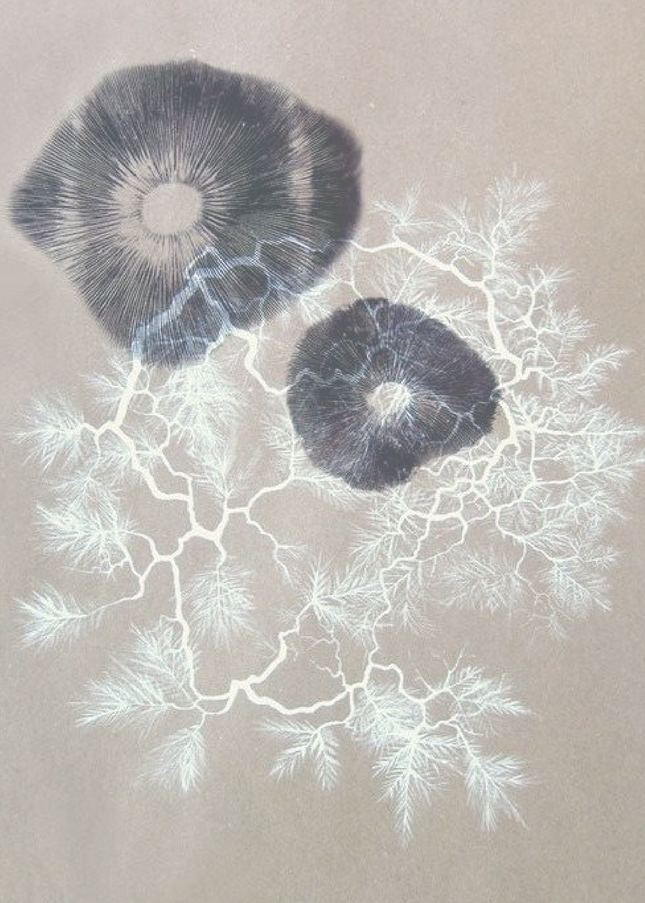
Support regenerating Europe
Operational Team

Josefine Herz
Managing Director

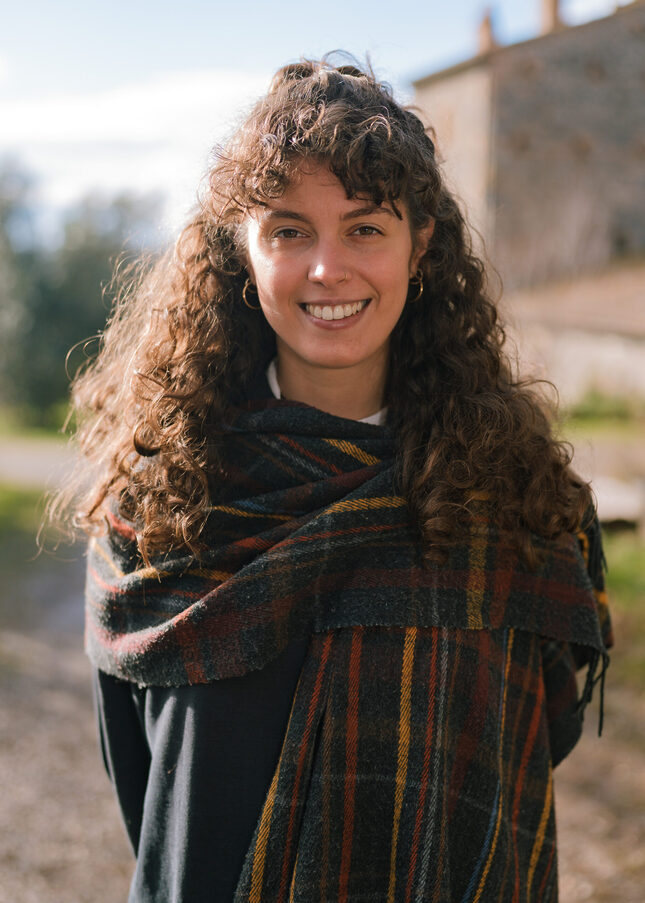
Virginia Tarditi
Community Coordinator
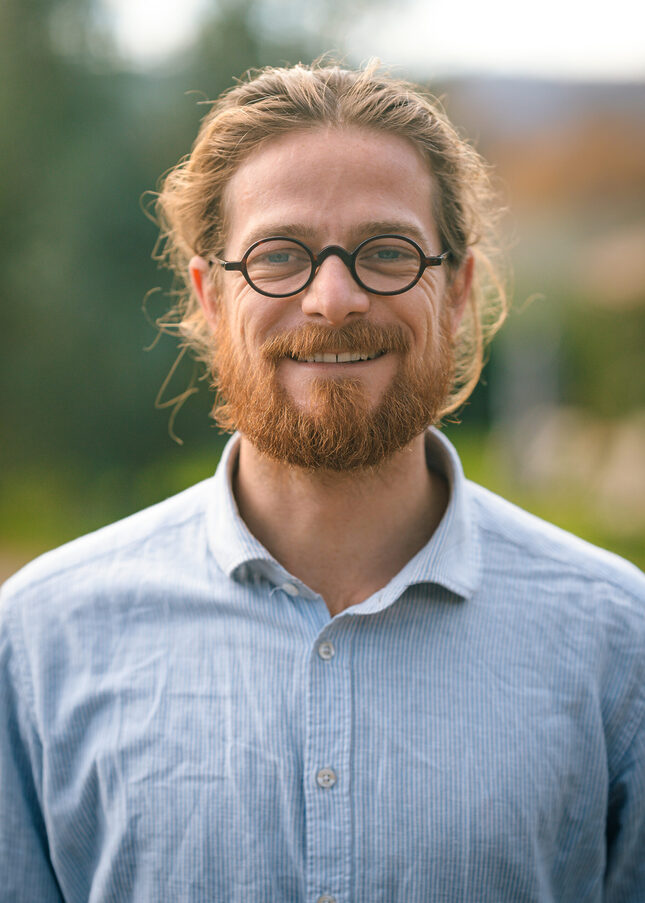
Simon Krämer
Executive Director


Meghan Sapp
Advocacy Director
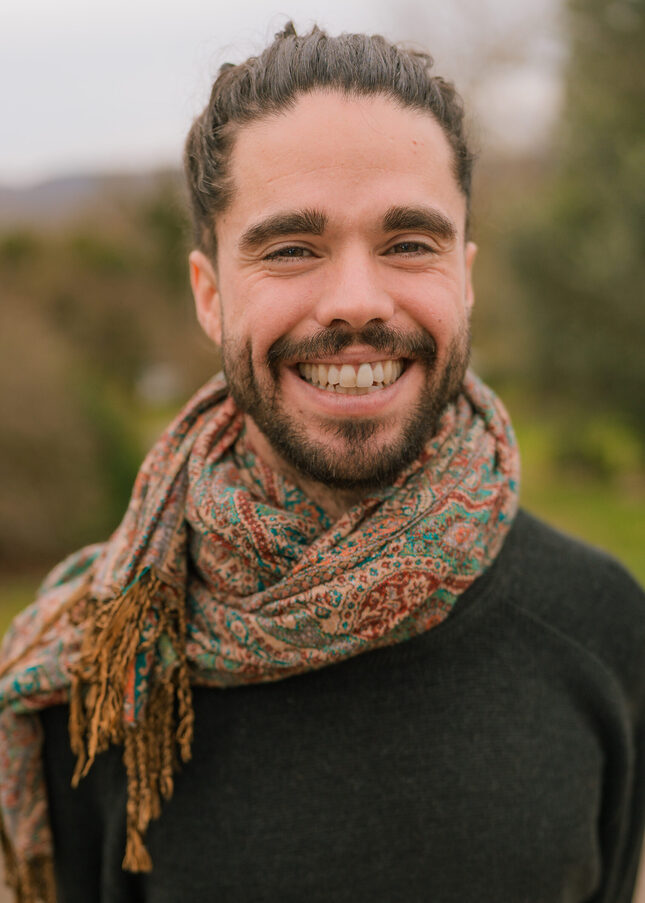
Fabio Volkmann
Lead Research & Knowledge Steward